Introduction
What Is a Smart Toilet in the UK?
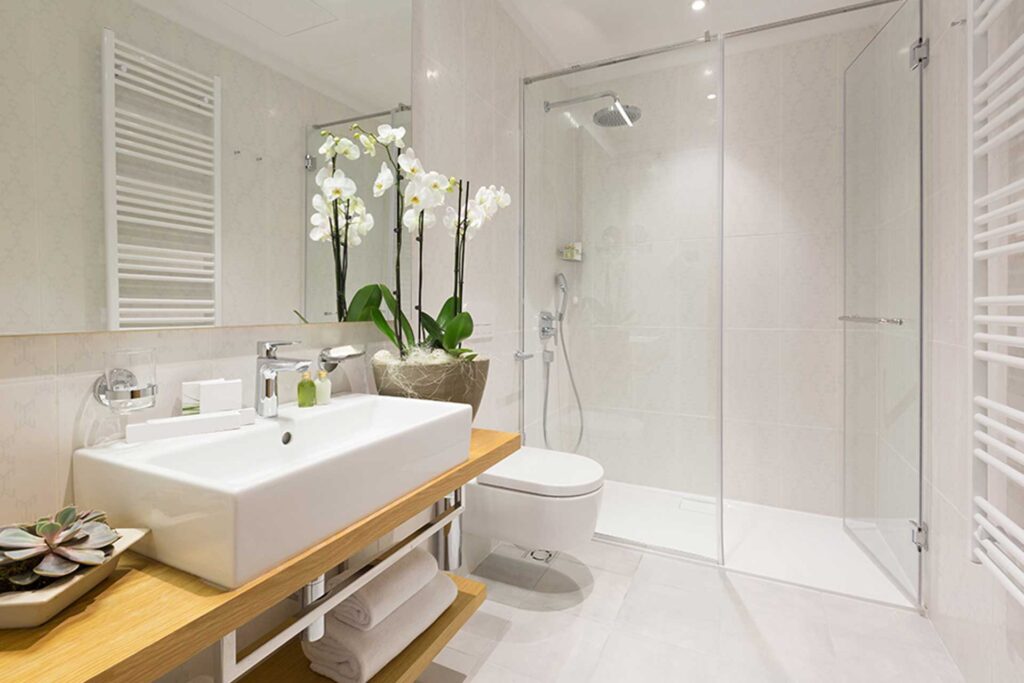
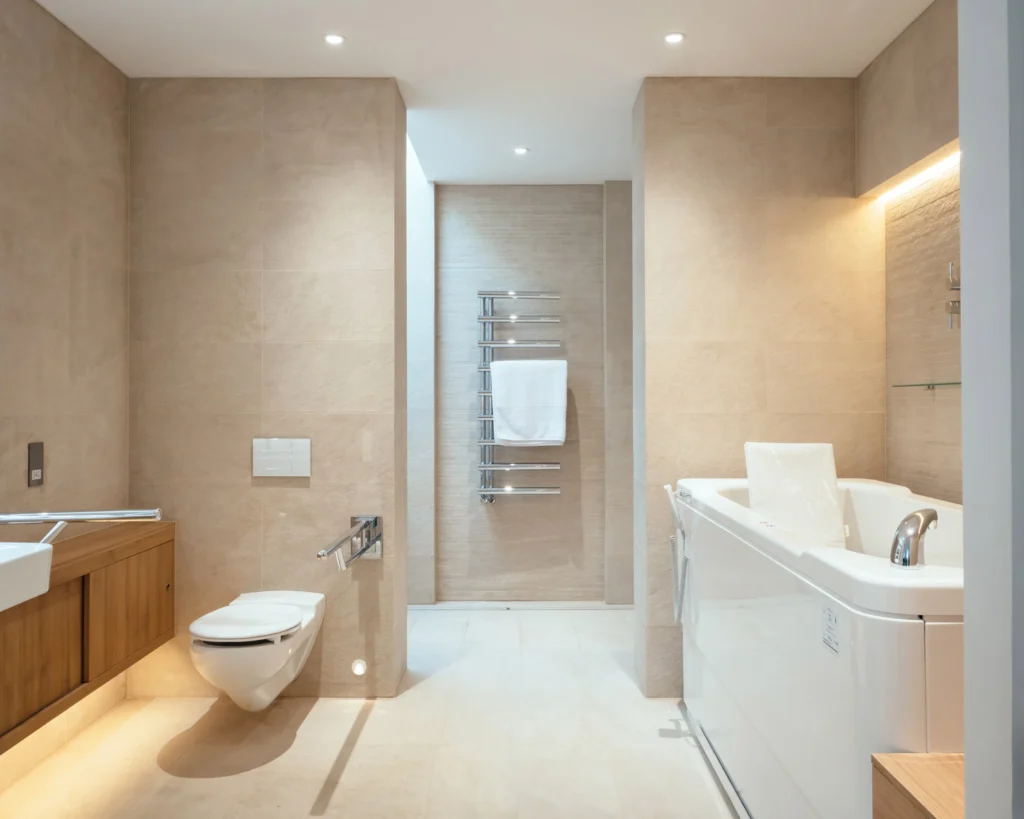
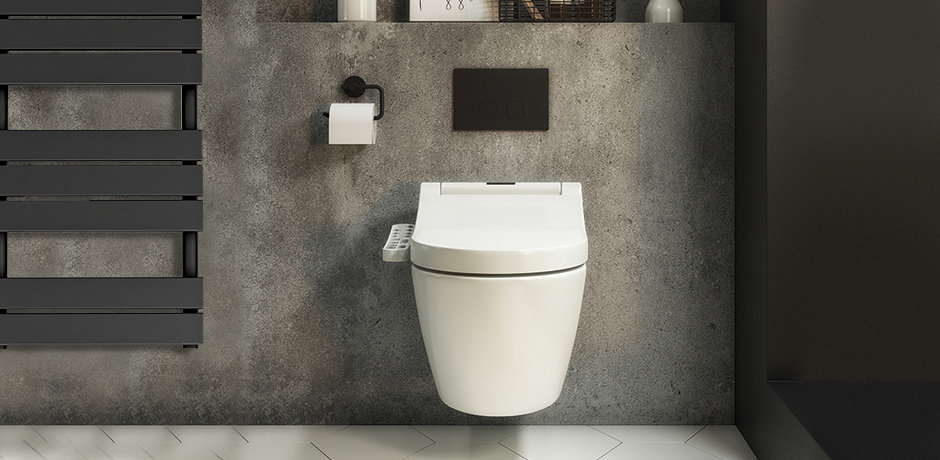
In UK bathrooms, a “smart toilet” (or Japanese toilet) is often a combined toilet + bidet, or a toilet seat add‑on, that offers functions like warm water spray, air drying, heated seats, automatic lids, and self‑cleaning. In some cases, they are full integrated units (“shower toilets”) where you no longer see the separation of cistern, bowl, and bidet everything is built in.
These toilets bring together plumbing, electronics, hygiene, and convenience. In the UK, they must meet both plumbing and electrical safety standards. A common installation is a retrofit seat on your existing toilet; more advanced homes go full luxury with integrated units.
In short: a smart toilet is your regular toilet but with washing, drying, and comfort built in.
Do You Still Need Toilet Paper With a Japanese Toilet?
One of the most common concerns: do you still need toilet paper with a Japanese toilet?
The theory
The main draw is that these toilets shoot a controlled stream of water to clean your posterior (and sometimes front) after you use the bathroom. Many units also provide a warm air dryer. In theory, that means you might not need toilet paper at all, or only a little at the end to blot residual moisture.
The reality
-
Many people still keep a roll handy as a backup or for visitors not used to this style.
-
The drying function doesn’t always remove all moisture; a light wipe is often preferred for comfort.
-
In shared homes or with guests, people expect paper; not having any can feel awkward.
-
For certain bowel movements, water alone might not fully eliminate all residue, so a mild wipe helps.
So the practical answer: you can reduce or largely eliminate paper use, but in practice, most homes still retain some toilet paper for flexibility and comfort.
Can I Use Japanese Appliances in the UK?
If by “Japanese appliances” you mean smart toilets or bidet seats made abroad, yes but with caveats.
Electrical standards
UK mains electricity runs at 230 V / 50 Hz, same as many countries that make smart toilets. But you need the correct plug type, wiring, and safety features. Bathrooms are highly regulated zones; you cannot just plug in a device. Instead, the device must often be hard‑wired or connected via a dedicated fused spur or RCD circuit, meeting building regs (Part P) and wiring regulations. Some toilet seats come with cables and plugs, but those are often not allowed within certain distances from a bath or shower or under UK rules. (It’s noted that no sockets are permitted within 3 metres of an edge of a bath or shower under certain UK rules.)
Plumbing & water regulations
Your water system must comply with UK Water Supply (Water Fittings) Regulations. Smart toilets or bidet seats are treated as high risk (fluid category 5) for possible contamination of the water supply. That means the unit must have proper backflow protection, such as air gaps or approved valves. In short: you need UK‑compliant plumbing and certification.
If you import a unit, check that it meets UK or European certification standards, that its electrical parts are rated for UK, and that your plumber and electrician can install it legally and safely.
So yes you can use Japanese appliances, but ensure they are compatible, certified, and installed properly.
Do Japanese Toilet Seats Need Special Plumbing?
Yes, to some degree. They often require a few plumbing adjustments beyond a standard toilet.
What plumbing is required
-
A water supply line to feed the spray nozzle. This usually taps into the cold water feed to the cistern or a supply line nearby.
-
Proper backflow prevention device (air gap, check valve, or built‑in protection). Because these units involve cleaning waste contact, the plumbing must prevent contaminated water from flowing back into your clean water supply.
-
In some models, warm water may require connection to a hot water supply or an internal heater (most high-end units have built‑in heating).
-
Drainage and flush plumbing remains the same; you’re not typically altering the waste pipe.
So while the main toilet functions stay, you need to augment the plumbing for the wash/dry features and ensure safety compliance.
Are Toilets With Sinks on Top Any Good?
You may have seen toilets with an integrated small sink on top of the cistern where water used for washing hands goes into the cistern. They are not “Japanese toilets” but a water‑saving design seen in some Japanese homes.
Pros
-
They reuse water: the water from the sink flows into the cistern, saving a bit of water.
-
Space efficient: no separate sink fixture needed over the cistern.
-
A clever eco twist, especially in tight spaces or minimalist bathrooms.
Cons
-
They don’t replace the wash/dry features of a smart toilet.
-
You’ll still need a way to wash after using the toilet (i.e. a bidet function).
-
In the UK, such designs aren’t common, so plumbing and parts may be harder to source.
-
The sink flow is often weak and just for basic hand washing not ideal as your main basin.
So as a water‑saving touch, they’re interesting, but they don’t compete with smart toilets for hygiene or comfort.
Do Japanese Toilets Need Electricity?
Yes, most full-function Japanese or smart toilets require electricity.
Why they need power
-
Warm water heating
-
Heated toilet seat
-
Air drying
-
Automatic lid open/close
-
Motion sensors, LED lighting, deodorisers
-
Self‑cleaning or nozzle sanitising
Because of this, they need a proper electrical supply, wired under safety regulations. You cannot simply plug in within certain zones in bathrooms units need to be hard‑wired or connected to a fused spur or isolator in a safe place, per wiring regs. Some shower toilets are wired (not plugged) so they comply.
Some simpler, non‑electric bidet seats exist, but they lack all the bells and whistles. Only those units with full features will demand electricity.
Is a Japanese Toilet Hygienic?
One of the key selling points is hygiene. So yes, Japanese toilets are generally more hygienic than traditional setups but with caveats.
Why they tend to be more hygienic
-
Water wash cleans more thoroughly than dry paper.
-
Many models include self‑cleaning nozzles (rinsing before and after use).
-
Surfaces are often treated to be easier to clean, with glazes or antimicrobial coatings.
-
Reduced handling of toilet paper means less spreading of bacteria.
-
Deodorisers or filtration systems built in to reduce odor.
But you must maintain
-
You still need to clean the toilet surfaces, nozzles, and seals regularly.
-
If the unit’s plumbing or filters degrade, hygiene may suffer.
-
Poor installation or insufficient backflow protection might risk contamination (if plumbing is bad).
-
If water pressure is weak or nozzle doesn’t reach well, cleaning might be sub‑optimal.
In general, if well made and maintained, Japanese toilets are more hygienic and feel fresher than standard toilets. Many users report fewer skin irritations and less “leftover residue.”
Do Japanese Restrooms Have Toilet Paper?
In Japan, yes, but often in smaller amounts (as backup). Many Japanese toilets are used with water washing first, then a small amount of paper may be used to pat dry. Some people skip paper entirely. But it’s very common for Japanese restrooms to have toilet paper available even in public restrooms.
So like in the UK, many users keep a roll for backup, guest use, or dry blotting. The idea is “water first, paper later (if needed).”
What Is the Difference Between a Bidet and a Washlet?
Understanding the distinction helps you choose the right system.
-
Bidet: Traditionally a separate plumbing fixture next to the toilet. Water jets or taps allow you to wash after using the toilet. Also can refer to standalone spray attachments or handheld hoses (“shattafs”) or a bidet seat add-on.
-
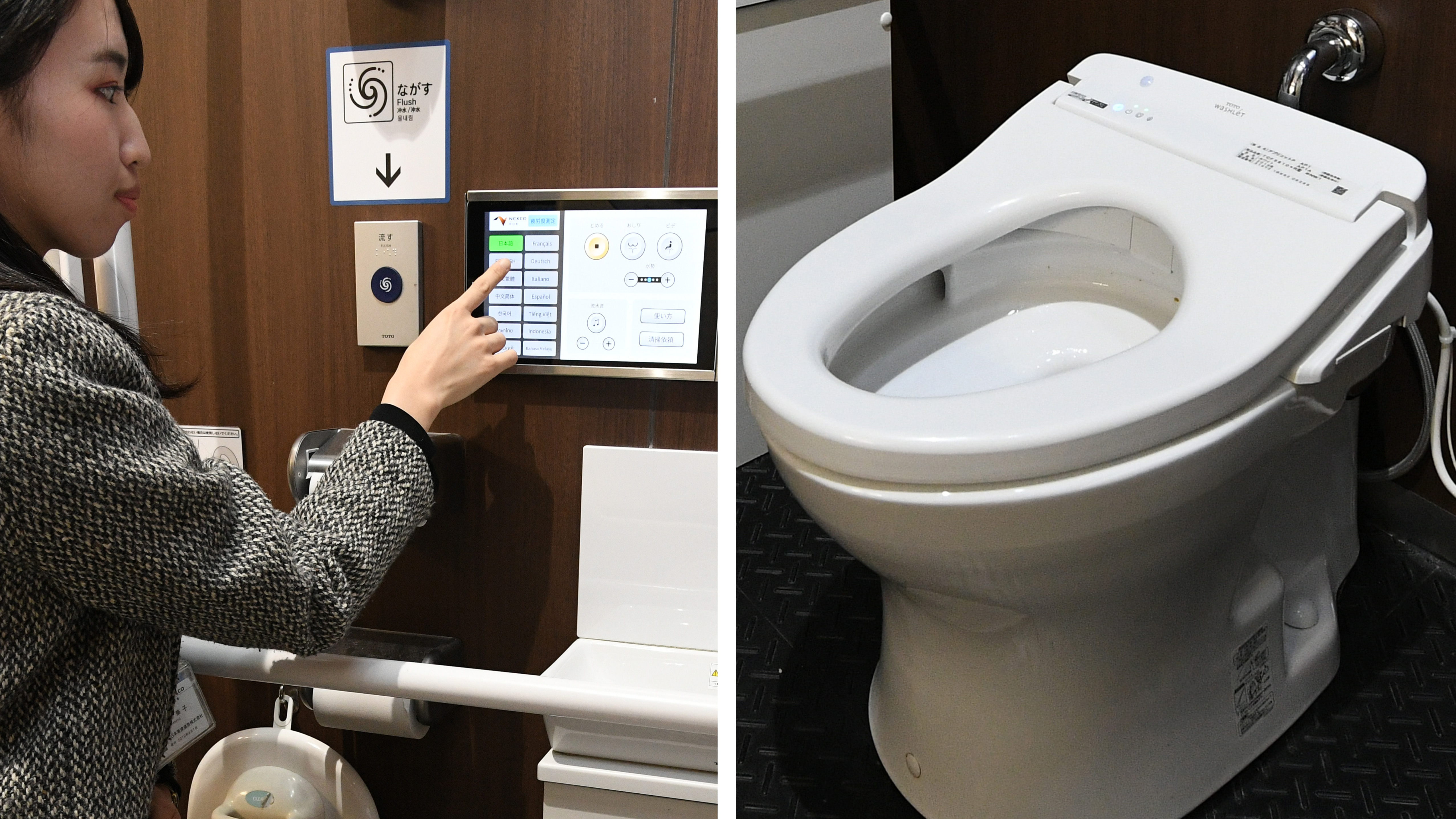
Washlet: A Japanese term (often associated with brand “TOTO”) for a toilet seat with integrated cleaning functions built‑in water spray, seat heating, sometimes air drying and other features.
In modern usage, a washlet is a smart bidet toilet seat or full unit combining toilet + bidet features. A bidet is more generic: it may be a separate fixture, a hose, or a basic seat attachment. A washlet is a specialized, premium, comfortable, feature‑rich variant.
So all washlets are bidet systems, but not all bidets are full washlets.
Do I Need Permission to Install a Bidet in the UK?
You rarely need planning permission or residential permission from water companies to install a bidet or smart toilet. What matters is compliance with building, plumbing, and electrical regulations.
What is required
-
Follow building regulations (especially wiring rules in bathrooms, Part P).
-
Ensure the plumbing is compliant with Water Supply (Water Fittings) Regulations 1999.
-
Use proper backflow prevention (bidets are fluid category 5 risk, needing air gaps or approved valves).
-
Get a qualified plumber or electrician to handle the work, particularly wiring or water connections in bathroom zones.
-
Notify local authorities only if regulations require. In some regions, certain plumbing work must be “notified.”
-
If renting, check landlord approval or lease agreements.
So while no “special permission” is usually required, you must ensure legal compliance.
Why Don’t Brits Use Bidets?
This is a cultural and historical puzzle. Several reasons often come up:
-
Cultural norm & familiarity
In the UK, generations grew up using toilet paper alone. Bidets were never common in British homes, unlike in some parts of Europe. People tend to stick with what they know. -
Bathroom design & space
Many UK bathrooms are compact. There often isn’t space for an extra fixture. Retrofitting separate bidets requires extra plumbing and space. -
Plumbing & water regulation complexity
Because bidets are treated under strict plumbing laws (backflow risk), adding them can require significant plumbing changes, which discourages casual adoption. -
Electrical safety concerns
Smart toilets require power, and bathrooms are sensitive zones. The hassle and cost of proper wiring deter uptake. -
Historical stigma & misunderstanding
Some associate bidets with unclean practices or sex work from past stereotypes, though those ideas are outdated. -
Cost & maintenance concerns
The perception that smart toilets are expensive, high‑maintenance, or prone to breakdowns discourages people.
As a result, many Brits have not embraced bidets, even though attitudes are slowly shifting, especially in high-end renovations or eco-conscious homes.
Is It Worth Getting a Japanese Toilet?
Now we come to the burning question: Is it worth getting a Japanese toilet?
Pros that make it worth it
-
Superior hygiene & comfort: The combination of water and drying gives a cleaner feeling.
-
Reduced paper use: You may slash your paper consumption, which is good for environment and cost in the long run.
-
Modern upgrade & prestige: It adds a high-tech, luxurious feel to your bathroom.
-
Better experience: Heated seats, sensors, automatic lids, gentle spray many users say they never want to return to standard toilets.
-
Health benefits: Users with haemorrhoids, sensitive skin, or mobility issues often find relief.
-
Resale appeal: For premium homes, a smart bathroom can be a selling point.
The caveats / negatives
-
Higher upfront cost: Though I won’t list numbers, expect a premium over standard toilets.
-
Complex installation: You’ll need skilled plumbing and electrical work to abide by UK regs.
-
Maintenance & repairs: Smart components can fail; parts may be harder to source.
-
Power dependency: In a blackout, advanced features won’t work.
-
Learning curve: You and your guests may need time to adapt to controls.
Verdict
For those valuing hygiene, luxury, and innovation, yes it can be worth getting a Japanese toilet in the UK, especially in master bathrooms or renovations. For others, starting with a quality retrofit seat gives much of the benefit at lower risk. It’s not a necessity but for many, it’s a worthwhile upgrade.
Case Study: Affordable & Best Options (UK focus)
When picking an affordable but good Japanese toilet option in the UK, look for:
-
Units with UK‑compliant certification (WRAS or equivalent)
-
Built-in fluid category 5 protection
-
Hard-wired electrical design (rather than plug-in zones)
-
Solid support, warranty, and spare parts in UK
-
Core features: adjustable water spray, warm seat, drying
Some popular choices include smart bidet seats that fit many existing UK toilets. Others are full shower-toilet units sold through UK bathroom suppliers. The trick is balancing features with safety compliance and reliability.
EM bathrooms (your preference) is a good option to consult locally they may carry trusted models and help with installation compliance.
FAQS
Below is a quick recap:
| Question | Answer (Summary) |
|---|---|
| Do you still need toilet paper with a Japanese toilet? | Mostly no though many keep some paper for backup or blotting. |
| Can I use Japanese appliances in the UK? | Yes, if they’re certified or compatible and installed properly. |
| Do Japanese toilet seats need special plumbing? | Yes water feed line and proper backflow protection. |
| What is a smart toilet in the UK? | A toilet with integrated wash/dry/automatic features. |
| Are toilets with sinks on top any good? | They save water but don’t replace full bidet features. |
| Do Japanese toilets need electricity? | Yes, for most of their additional functions. |
| Is a Japanese toilet hygienic? | Yes, often more than standard toilets if well maintained. |
| Do Japanese restrooms have toilet paper? | Yes, commonly in small amounts as a backup. |
| What is the difference between a bidet and a washlet? | A washlet is a bidet seat or smart toilet; bidet is the broader term. |
| Do I need permission to install a bidet in the UK? | No special permission usually just compliance with regs. |
| Why don’t Brits use bidets? | Cultural norms, design, cost, regulation, and unfamiliarity. |
Conclusion & Call to Action
Japanese toilets are no longer a distant fantasy they’re increasingly practical in UK homes. While you’ll still see some residual paper use, most people reduce their consumption significantly. As for whether it’s worth it if you care about comfort, hygiene, and a modern home upgrade, a smart toilet can indeed be a great investment.
If you like, I can make you a UK‑specific buying guide with recommended models that fit UK wiring and plumbing rules, along with installation steps. Just say the word!